About us

Ama Dablam
A technical Himalayan benchmark — ice, rock, and altitude discipline
6,812m · Southwest Ridge · Technical alpine climb · Sherpa culture · World-class summit objective
Overview
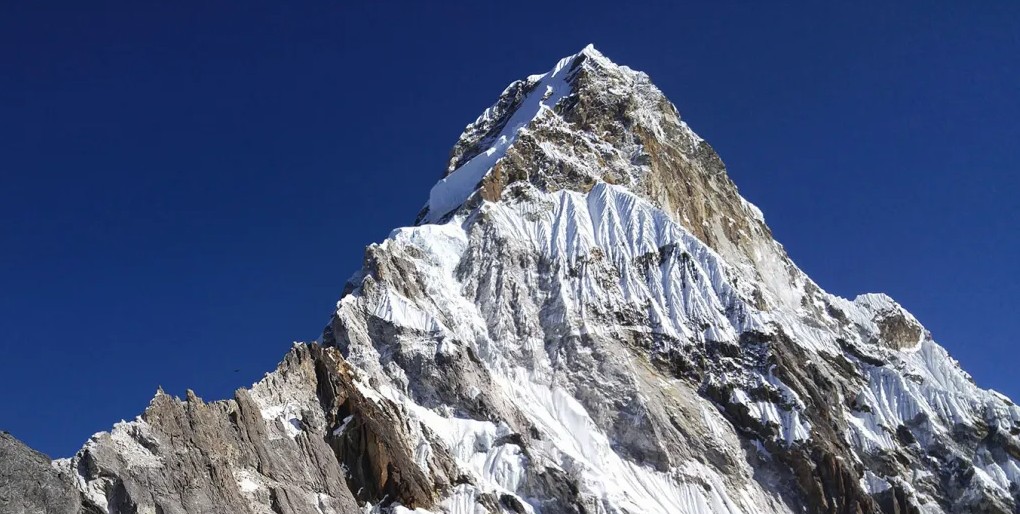
Ama Dablam is one of the most striking mountains in the Himalayas, recognized for its elegant pyramid shape and the dramatic hanging glacier on the southwest face. The name reflects a Sherpa image of a mother's pendant — the "dablam" — said to resemble the sacred ornament box worn by Sherpa women.
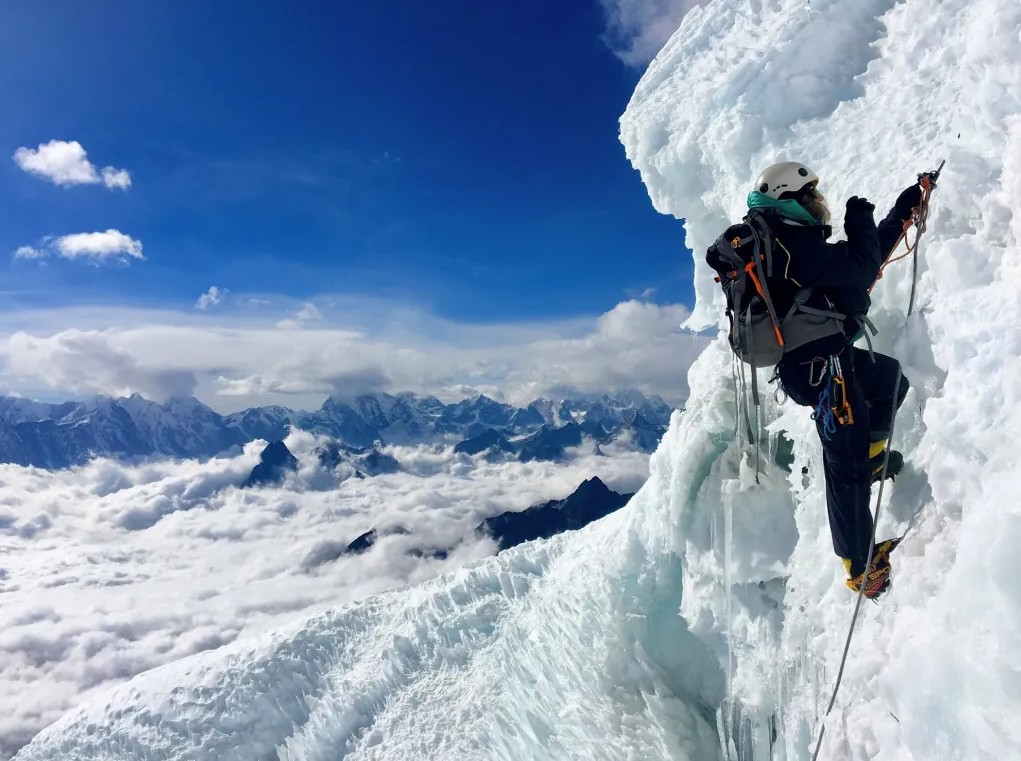
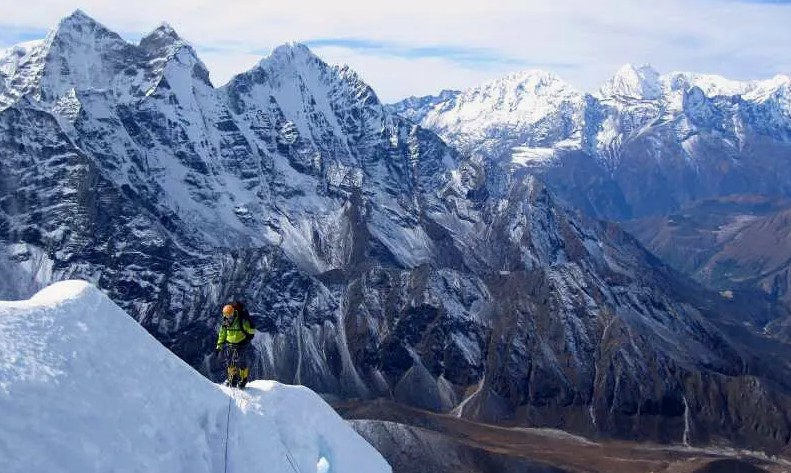
Although it stands below the 8,000m giants, Ama Dablam has earned genuine respect among mountaineers because of its steep profile and the demanding character of the Southwest Ridge. The ascent combines trekking through the Khumbu with a genuine technical climb involving rock, snow, ice, and exposed sections that require focus and commitment.
This is not a high-altitude objective measured in metres alone — it is a mountaineering test of precision, stamina, calm decision-making, and mental resilience. For climbers with the right background and preparation, Ama Dablam stands as one of the most respected achievements in the Himalayas.
Who This Expedition Is For
Ama Dablam is a technical Himalayan objective. It demands genuine mountaineering experience — not just trekking fitness. This section is designed to help you assess honestly whether this expedition aligns with where you are right now.
Experience Level
- Previous mountaineering experience is essential — ideally a completed 6,000m+ peak
- Solid rope work, crampon use, and ice axe handling are expected before arrival
- Comfort on exposed terrain and in variable weather conditions
- No prior 8,000m experience required, but this is a step beyond standard trekking peaks
Physical Readiness
- Strong cardiovascular base — sustained aerobic effort over multiple weeks
- Capacity to carry a loaded pack on steep terrain at altitude
- No significant cardiovascular or respiratory conditions
- Consistent training in the 3–4 months prior to departure
Psychological Expectations
- High-altitude expeditions involve extended uncertainty — summit windows are weather-dependent
- The ability to stay measured and methodical under physical stress and fatigue
- Flexibility when the itinerary changes, which it often will
- Comfort with genuine exposure and commitment on technical terrain
Mountain Notes & Altitude Context
First ascent: Ama Dablam was first climbed in 1961, and the Southwest Ridge remains the established line for guided expeditions. This is the route that has given the mountain its reputation among serious alpinists.
Technical character: Unlike many higher expedition peaks where standard routes involve sustained snow slopes, Ama Dablam demands more from its height. Its steep rock and ice terrain, exposed ridges, and sustained climbing sections place it firmly in the category of a technical mountaineer's objective.
Altitude context: Ama Dablam sits well below the 8,000m peaks, but well above standard trekking summits and entry-level expedition objectives — making it a meaningful benchmark for experienced climbers looking to progress.
Gallery

BC + trek support
BC team + porters
Kathmandu–Lukla flights
Tea houses + Base Camp
Technical climb
Full expedition format
Route & Character
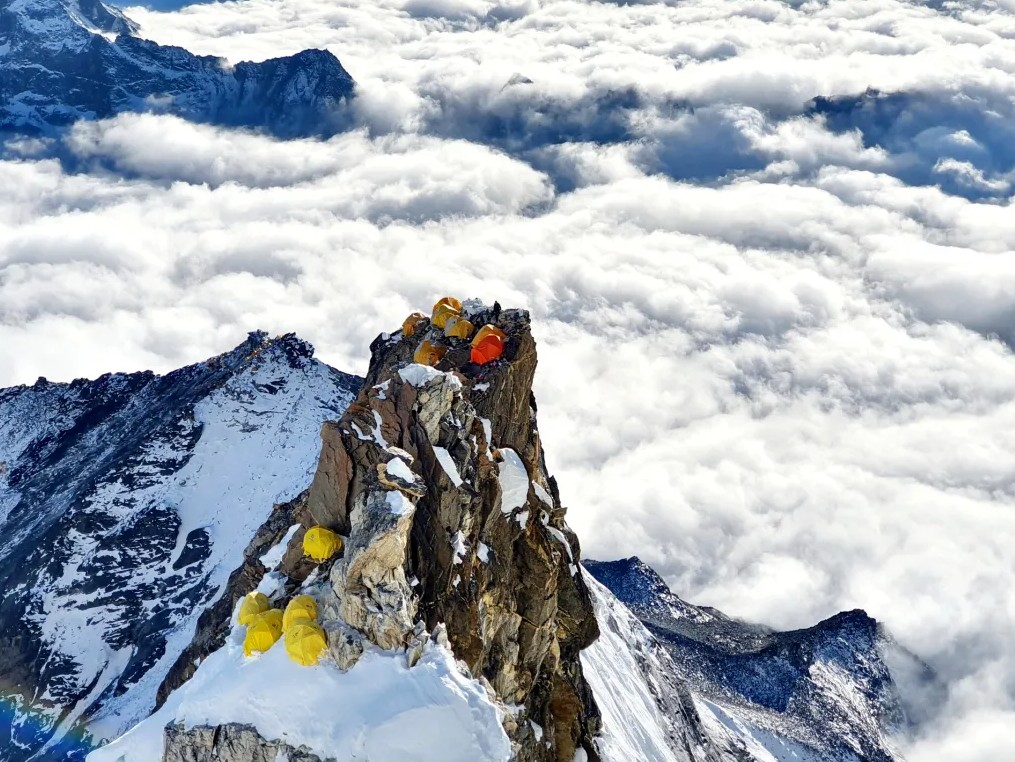
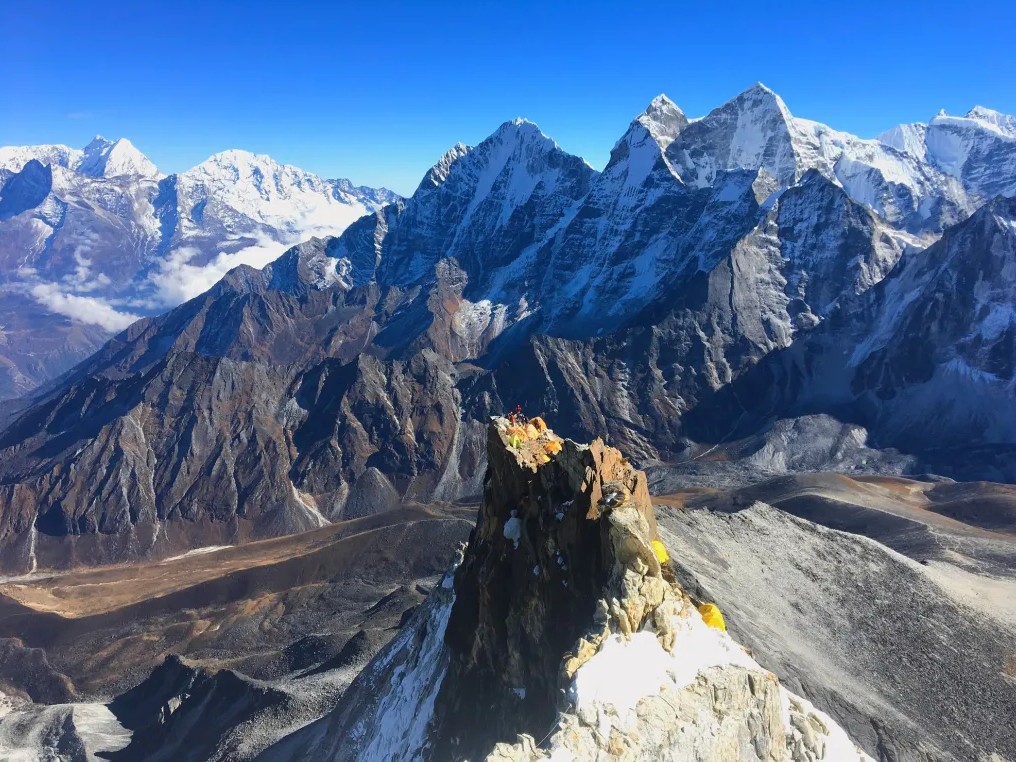
The Southwest Ridge is the established line and the reason Ama Dablam is so respected. This is a technical Himalayan climb with real exposure, mixed terrain, and serious commitment above Base Camp.
Preparation & Experience
This expedition is well suited to climbers who already have previous mountaineering experience, ideally including a 6,000m peak. Strength, endurance, rope confidence, and calm decision-making are essential.
Khumbu Journey
This expedition blends a classic Khumbu approach — Lukla, Namche, Tengboche, Pangboche — with one of the most technically demanding climbs in Nepal. It is both a cultural and mountaineering journey.
Operator Partnership
Nomads of Altitude operates as an advisory and matching layer — not as a direct on-the-ground operator. Our role is to understand your profile, experience level, and objectives, then match you with vetted local operators in Nepal who execute the expedition safely and professionally.
For Ama Dablam, we work with a select network of experienced Nepali operators who have established track records on the Southwest Ridge, hold all necessary permits, and deploy qualified Sherpa teams. We apply a structured assessment process before making any recommendation.
This means your enquiry begins a conversation — not a transaction. We will discuss your background, review your readiness, and confirm whether this expedition is the right fit before any booking takes place.
Altitude Risk & Transparency
High-altitude expeditions carry real risks. We present them clearly and without dramatization — because informed participants make better decisions, and better decisions lead to safer outcomes.
At 6,812m, reduced oxygen is a physiological reality. Acute Mountain Sickness (AMS), and in rare cases HACE or HAPE, are altitude-related risks. The itinerary is structured with deliberate acclimatization days. Guides monitor blood oxygen levels throughout. Descent is always the primary response to deterioration.
The October departure targets the post-monsoon autumn window — historically the most stable period for Ama Dablam. Summit attempts are weather-dependent. A fixed summit date does not exist. Flexibility in the schedule accounts for this. Forecast services are used throughout the climbing period.
The Southwest Ridge involves exposed rock, ice, and sections with significant fall risk. Rockfall, ice conditions, and route-fixing variability are real factors. All participants are expected to be technically capable before departure — this is not a mountain where skills are learned on-route.
Expedition Flow
Day-by-Day Itinerary
Arrival, transfer to hotel, expedition introduction, and time to settle in.
Formal expedition briefing at the Department of Tourism, followed by guided visits to key cultural landmarks in Kathmandu.
Scenic mountain flight to Lukla, followed by an easy first trekking day to Phakding along the Dudh Koshi river.
A more demanding trek with suspension bridges and a sustained climb into Sagarmatha National Park, arriving at the Khumbu's main hub.
Short altitude-gain hike for acclimatization, with time to explore Namche Bazaar or visit the Everest View ridge for first sightlines of the higher peaks.
Classic Khumbu trail with major views of Everest, Lhotse, and Ama Dablam, ending near the famous Tengboche monastery.
Trek beneath the great peaks of the Khumbu to Pangboche, one of the region's most atmospheric villages, with Ama Dablam now dominant in the skyline.
A shorter but meaningful day — climbing up to Base Camp and settling beneath one of the most recognized mountain silhouettes in the world.
Acclimatization hikes above Base Camp, a traditional Puja blessing ceremony, and focused technical training covering rope work, crampon use, and ice axe handling on real terrain.
The main expedition phase: load carries, camp establishment, acclimatization rotations, continuous weather monitoring, and the summit attempt via the Southwest Ridge. Timing of the summit push is determined by weather and individual readiness.
Full descent to Base Camp. Recovery, equipment sorting, and closure of the climbing phase.
Trek back toward the Lukla airstrip and fly to Kathmandu, with a farewell dinner in the evening.
A buffer day in Kathmandu — time to rest, explore, complete any last shopping, or manage onward logistics. This day also provides contingency in the event of any weather-related delays earlier in the expedition.
Departure day. Transfer to Tribhuvan International Airport according to flight schedules.
What's Included
✅ Included
- ✓4 nights in a 4-star hotel in Kathmandu with breakfast
- ✓Tea house accommodation & meals during the trek
- ✓International and domestic airport pick-up and drop-off
- ✓Kathmandu – Lukla – Kathmandu flights
- ✓All necessary transportation for the expedition crew
- ✓Climbing permit fees
- ✓Summit rope fixing charge
- ✓Accident, medical & helicopter rescue insurance for Nepali staff
- ✓Garbage management and disposal fee
- ✓Government taxes
- ✓1 professional Sherpa with equipment, wages & carrying bonus
- ✓Experienced Base Camp Sirdar, cook & kitchen helpers
- ✓Porters to/from Base Camp (30kg per member)
- ✓Individual tent, mattress & pillow at Base Camp
- ✓Base Camp infrastructure: dining, kitchen, shower, toilet tents, tables & chairs
- ✓High camp tents, rope, gas, burner, high-altitude food
- ✓Freshly cooked meals with tea & coffee
- ✓Welcome dinner & farewell dinner with cultural evening in Kathmandu
- ✓Company duffel bag
- ✓Guided sightseeing in Kathmandu (transport, guide, entry permits)
- ✓Permit & documentation assistance
- ✓Walkie-talkie + satellite phone for emergency use
- ✓Weather forecast support throughout the climbing period
- ✓First aid medical kits
❌ Not Included
- ✗International flight tickets
- ✗Nepal entry visa fee (USD 50 on arrival, valid 30 days)
- ✗Heli services during trekking
- ✗Lunch & dinner in Kathmandu (except farewell dinner)
- ✗Emergency medical evacuation
- ✗Tips for staff
- ✗Drone & special filming permits
- ✗Special ski permit
- ✗Summit bonus for climbing Sherpa
- ✗Personal expenses and extra services beyond itinerary
- ✗Personal trekking/climbing gear (rental available in Kathmandu)
- ✗Travel, medical, and emergency rescue insurance (mandatory)
- ✗Phone calls, internet, charging, laundry, alcohol, specialty coffee
- ✗Extra accommodation due to early arrival, delays, or early return
- ✗Any service not specifically listed in inclusions
Preparation Guide
Previous trekking or mountaineering experience is essential — ideally a completed 6,000m+ peak before this expedition.
Train with weighted uphill walking or stairs using a loaded backpack to simulate the demands of load carries on technical terrain.
Build lower body and core strength consistently: squats, planks, crunches, cycling, and similar resistance work.
Maintain a structured training programme for at least 3–4 months before departure date.
Develop cardiovascular endurance as a priority — jogging, cycling, and sustained aerobic effort at varied intensity are all effective.
A dedicated preparation group can be arranged via WhatsApp before departure for coordination and guidance.
An optional acclimatization trip to Everest Base Camp is available at additional cost — enquire if interested in this as a pre-expedition step.
Ready to discuss this expedition?
We begin with a structured conversation — not a transaction. Tell us about your background, and we'll help you assess whether this is the right objective and the right time.