About us

Lenin Peak
A high-altitude 7,000m expedition in Central Asia
7,134m · Kyrgyzstan–Tajikistan border · Glaciers · High camps · Summit expedition
Overview
Conquer the Majestic Lenin Peak – A True Mountaineering Adventure!
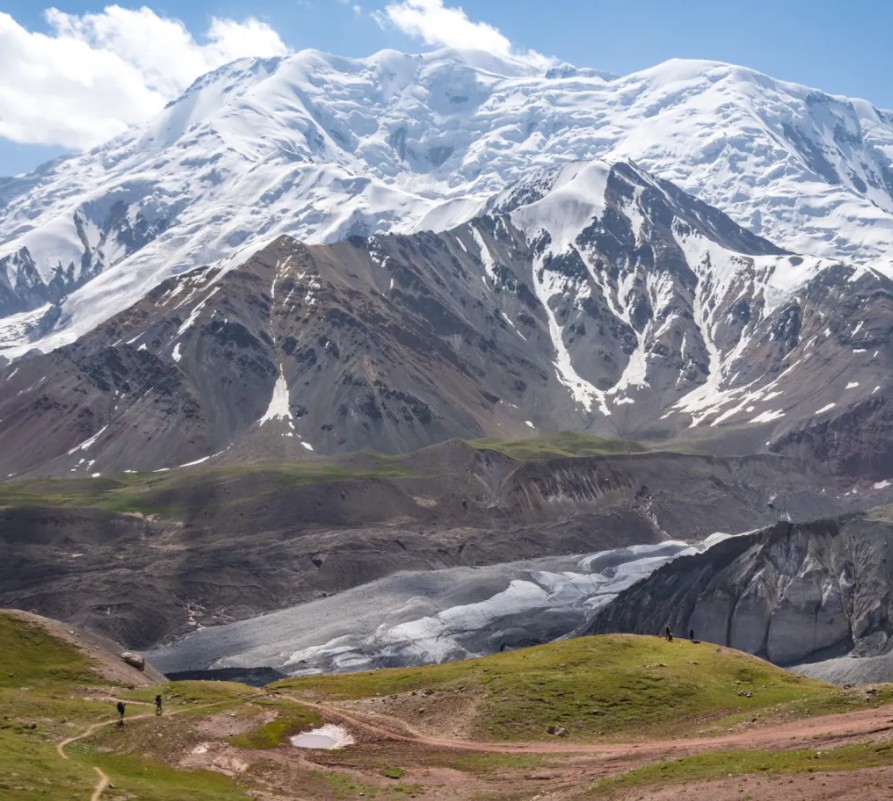
At an impressive 7,134 meters, Lenin Peak rises as one of the most awe-inspiring mountains in the Pamir Range of Central Asia, standing proudly between Kyrgyzstan and Tajikistan. With its breathtaking beauty and rich history, it is one of the most coveted peaks for climbers worldwide. Named after Soviet leader Vladimir Lenin, the peak is steeped in the legacy of the Soviet era, offering more than just a climb—it is a journey through time and nature’s finest landscapes.
The Lenin Peak Expedition is a once-in-a-lifetime challenge that takes you through some of the most remote and jaw-dropping terrain in Central Asia. Your adventure begins at the base camp in Kyrgyzstan, easily reachable via a scenic drive from Bishkek. From there, you will embark on a rigorous trek, crossing high-altitude passes, navigating glaciers, and battling steep ascents—all leading to the summit of this mighty peak.
Although the climb is not technically difficult, it is a test of physical endurance and stamina, requiring previous high-altitude experience. With over three weeks of climbing, acclimatization, and rest, it is an expedition that pushes you to your limits—and rewards you with unrivalled views of the Pamir Mountains and the sense of accomplishment that only a true mountaineer understands.
The best time to take on Lenin Peak is between July and September, when the weather is at its most stable and conditions are ideal for summit success. This is the perfect opportunity to explore the untouched wilderness of the Pamir Mountains, surrounded by towering peaks, expansive glaciers, and stunning alpine scenery that will leave you speechless.
Mountain Notes & Curious Facts
First ascent: Lenin Peak was first climbed in 1928, during the Soviet era, and it quickly became one of Central Asia’s most legendary high-altitude objectives. Its history is deeply linked to the development of Soviet mountaineering and expedition climbing in the Pamirs.
Technical character: Lenin Peak is often considered one of the more accessible 7,000-meter peaks, but that does not make it easy. The standard route is less technical than many other major 7,000m mountains, yet it remains a serious expedition due to altitude, glacier travel, crevasses, weather, cold, and the physical demands of moving above 6,000m for several days.
Where it sits among famous peaks: Lenin Peak stands in the prestigious 7,000m category, well above classic entry expedition mountains like Elbrus and Kilimanjaro, but still below the 8,000m giants. It is often seen as a powerful progression peak for climbers preparing for bigger Himalayan or Karakoram objectives.
Gallery
High camp ration set
BC logistics
to Achik-Tash
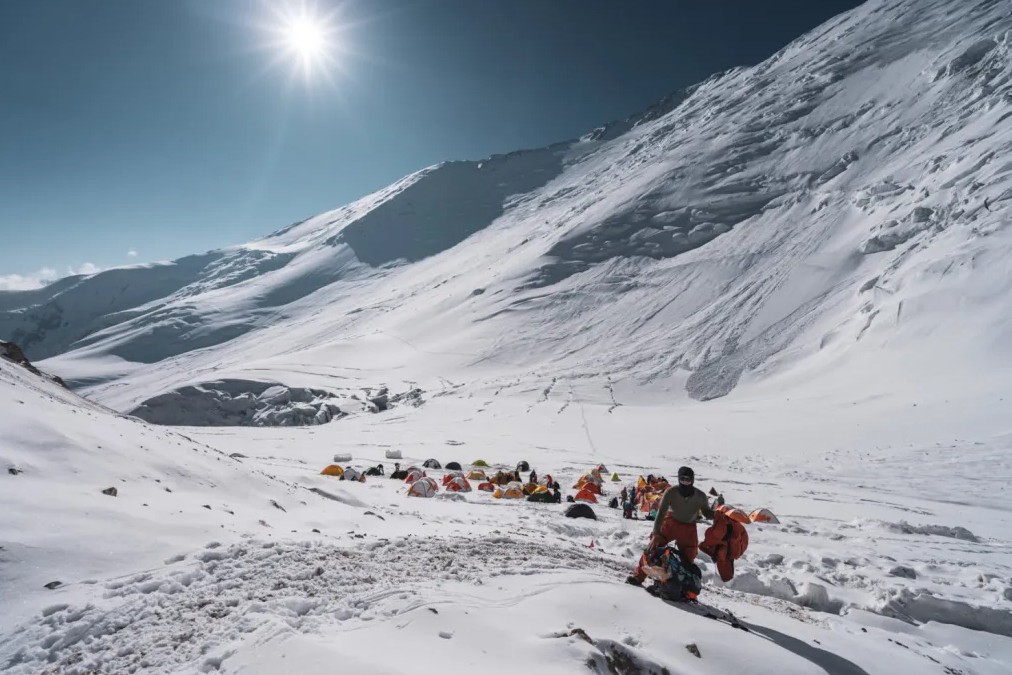
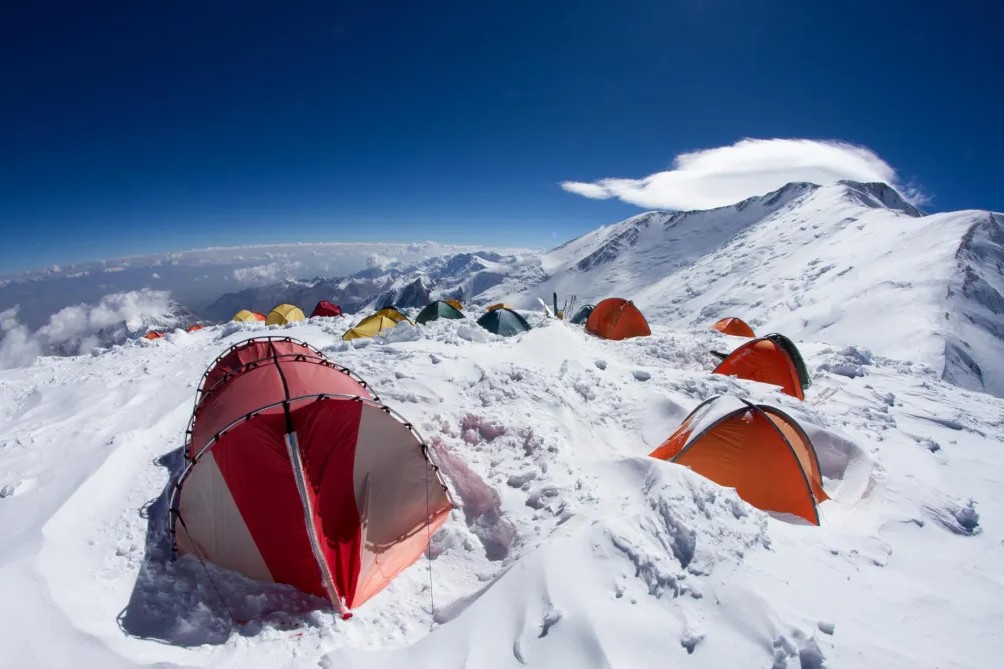
High-altitude tents
7,000m objective
Expedition format
Camp Life
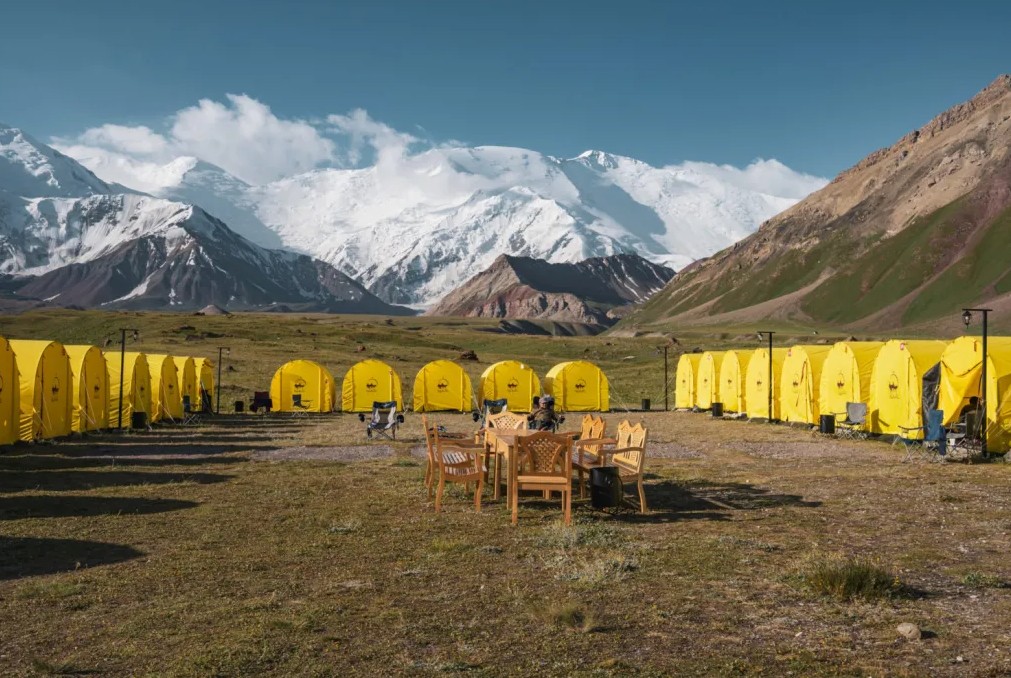
Base Camp and Camp 1 offer the most comfort on the route, with structured meal support, sleeping tents, and expedition logistics. Higher camps are more exposed and focused purely on summit progression and recovery.
Altitude & Route
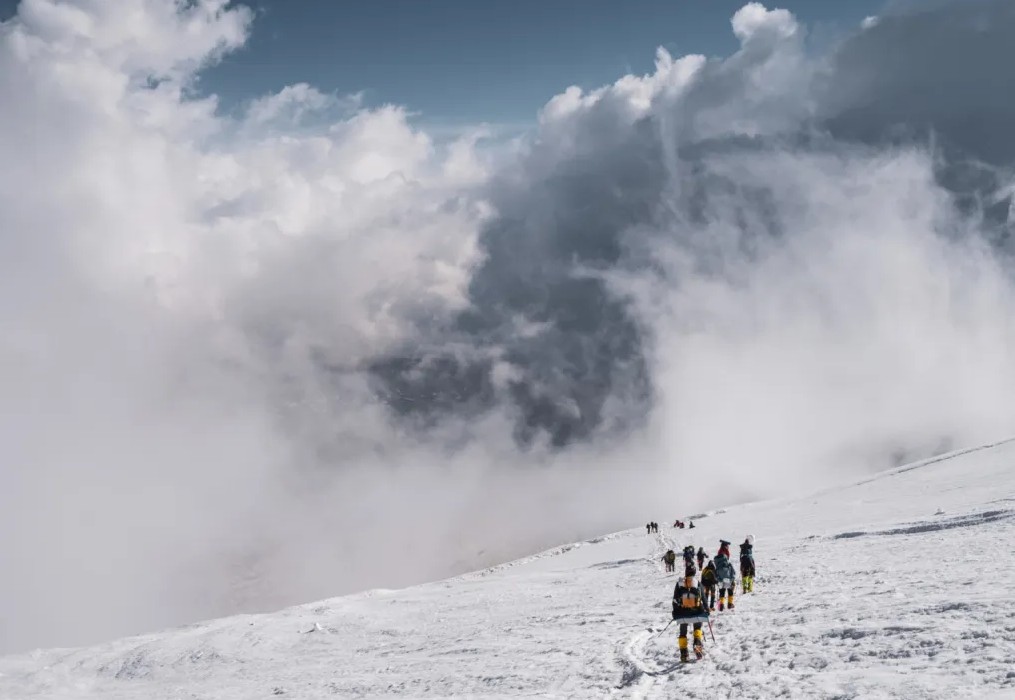
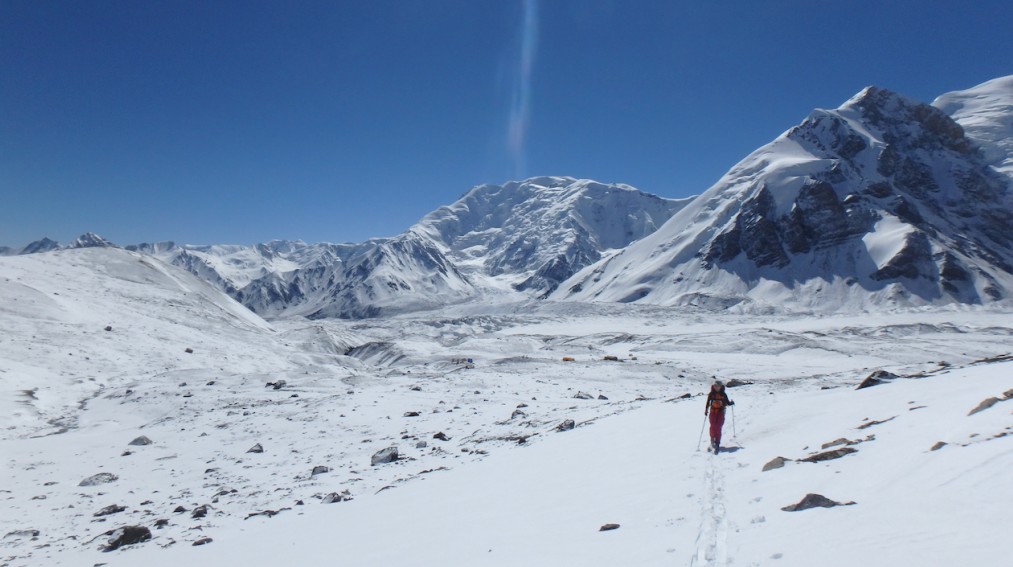
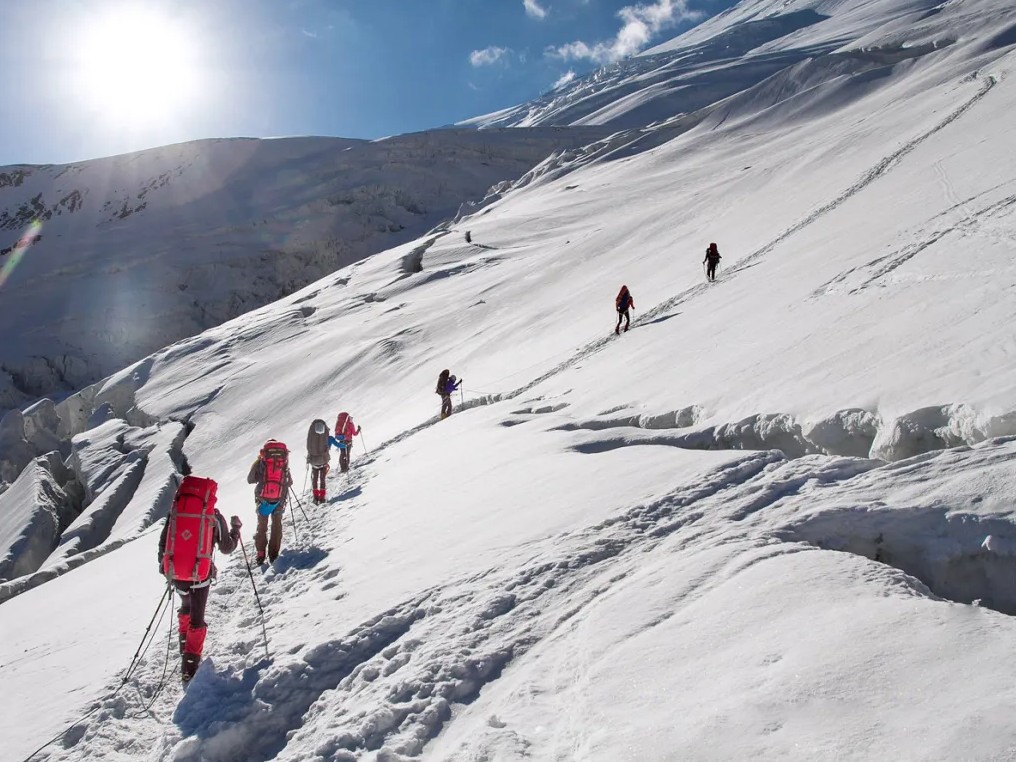
Lenin Peak is not highly technical on the normal route, but it is still a serious 7,000m expedition. Expect glaciers, cold conditions, steep snow slopes, and long summit-day effort. Acclimatisation is everything.
Training & Fitness
Prior high-altitude trekking or mountaineering experience is strongly recommended. Train with loaded uphill walking, stair climbing, lower-body strength, and consistent cardio. Strong legs and stamina are essential.
Expedition Rotation Overview
Day-by-Day Itinerary
Arrival at the airport. Transfer to hotel. Rest and expedition briefing.
Scenic drive through the Alay Valley. Settle into Base Camp and begin adapting to the expedition environment.
A light acclimatization hike near camp to gently stimulate adaptation and loosen the body after travel.
Gradual altitude gain with a ridge hike and panoramic views — ideal for continued acclimatisation.
Trek from Base Camp to Camp 1 via the Puteshestvennikov Pass. This is the first real commitment into the mountain.
Practice key alpine skills: ice movement, rope work, snow anchoring. Optional ascent of Yukhin Peak for altitude conditioning.
Return to Camp 1, check equipment, and prepare for the higher mountain camps.
A gradual, careful ascent into more exposed glacier terrain. Settle and recover at Camp 2.
Steeper, glacier-covered terrain leads to high camp. Rest, hydrate, and prepare for the first major descent rotation.
Descend via Camp 2 and Camp 1 back to Base Camp. Recovery, nutrition, and final summit preparation.
Begin the summit rotation with a strong, controlled climb back to Camp 1.
Traverse crevassed glacier terrain. Rest, hydrate, and keep movement efficient.
Move to high camp and prepare for the summit attempt. Early sleep and careful pacing are essential.
The defining day of the expedition. Start early, climb steadily, reach the summit of Lenin Peak, then descend back to Camp 3 for recovery.
Return down the glacier with care and control.
Complete the descent and celebrate the summit at Base Camp.
Used in case of weather delays, extra rest, or an additional summit attempt.
Long but scenic drive back to Osh. Check into hotel, relax, and reset after expedition life.
Transfer to airport. End of expedition.
What's Included
✅ Included
- ✓Border zone permit and OVIR registration
- ✓Mountain guide
- ✓Airport meeting and departure support
- ✓Scheduled transfers Osh – BC Achik-Tash – Osh
- ✓Scheduled transfers BC – Lukovaya Polyana – BC
- ✓2 hotel nights in Osh with breakfast
- ✓Lunch en route Osh – Achik Tash – Osh
- ✓Accommodation in BC and C1 (shared tents, mattresses, platforms)
- ✓Three meals a day in BC and C1
- ✓Dining room, toilet, storage room, hot shower in BC
- ✓Electricity in BC and generator hours in C1
- ✓Walkie-talkies on the route
- ✓Rescue team registration
- ✓Ecological fees
- ✓Mountain route consultancy
- ✓Doctor consultation / first aid in BC and C1
- ✓High-altitude tents at 5100m, 5300m and 6100m
- ✓Group equipment: rope, gas, stove, cooking set
- ✓High-altitude food set
❌ Not Included
- ✗Visa cost
- ✗International flights
- ✗Single hotel accommodation
- ✗Early check-in / late check-out
- ✗Any deviation from the main itinerary
- ✗Meals / drinks not included in the program menu
- ✗Personal expenses, baggage, room service, medical costs, insurance
- ✗Rental equipment
- ✗Tips to guides & porters
- ✗Personal Sherpa (extra cost if required)
Preparation Guide
Have previous high-altitude trekking or mountaineering experience.
Train with weighted uphill walking or stairs using a loaded backpack.
Build lower body and core strength: squats, planks, crunches, cycling.
Maintain regular exercise for at least several months before departure.
Prioritise cardiovascular endurance — jogging is one of the best ways to improve stamina.
For detailed advice and coordination, a WhatsApp group can be used before departure.
Ready to book this expedition?
Choose your departure and complete a short screening form so we can confirm this expedition suits your experience. Then secure your place with a deposit. Need another date? Use the "Suggest a date" button above.