About us
Annapurna Circuit
A long-distance traverse through the full range of the Himalaya
Thorong La Pass 5,416m · Tilicho Lake · Diverse landscapes · Himalayan villages · Tea house trek
Overview
The Annapurna Circuit Trek is one of Nepal's most celebrated long-distance routes — recognized for its remarkable diversity: lush forests, remote villages, dramatic river valleys, high alpine terrain, and the stark rain-shadow plateau of Mustang. What makes this circuit distinctive is not a single summit objective, but its sustained depth — a continuous journey through the full range of the Annapurna region.
As you circle the Annapurna massif, the landscape shifts through every climatic and cultural zone. The peaks that accompany you — Annapurna I–IV, Dhaulagiri, Machhapuchhre, Tilicho, and Gangapurna — are a constant and changing presence. The high point, in every sense, is the crossing of Thorong La Pass (5,416m), a Himalayan gateway that rewards weeks of steady effort with expansive mountain views and a genuine sense of passage.
This 15-day itinerary includes a side-trip to Tilicho Lake (4,920m) — one of the world's highest lakes — which both strengthens acclimatisation before the pass and adds one of the most visually striking sections of the entire route. Tea house comfort, warm meals, and a dedicated support team manage the logistics so you can focus on the journey.
Who This Trek Is For
The Annapurna Circuit is classified as beginner-friendly — but that does not mean it requires no preparation. The altitude at Thorong La Pass makes genuine physical readiness essential. This section is designed to help you assess honestly whether this is the right trek for where you are now.
Experience Level
- No prior trekking experience required — this is a fully guided, tea house trek
- Previous multi-day hiking or walking experience is helpful but not essential
- No technical climbing, rope work, or mountaineering skills involved
- Comfort on uneven terrain and sustained uphill walking is an advantage
Physical Readiness
- Good general fitness — sustained walking of 4–9 hours on active trek days
- Capacity to carry a daypack on steep, varied terrain
- No significant cardiovascular or respiratory conditions
- 2–3 months of consistent cardio and hill training before departure
Psychological Expectations
- Altitude affects everyone differently — pacing yourself and communicating symptoms early is essential
- Weather and trail conditions can change; schedule flexibility is part of the journey
- Thorong La is a genuine physical and mental commitment — early starts, cold, and altitude demand focus
- Tea house conditions are simple and occasionally basic — adaptability is part of the experience
Trek Notes & Altitude Context
Route character: The Annapurna Circuit is a loop through the Annapurna Conservation Area — one of the most complete trekking routes in Nepal for landscape and cultural range. The terrain shifts progressively from lush valleys to high alpine terrain, building toward the Thorong La crossing before descending through the dry Mustang region.
Thorong La Pass: At 5,416m, the pass is the defining moment of the trek. The crossing is typically done as a single long day from Thorong Phedi, starting well before dawn. The sacred site at Muktinath marks the end of the climb and the transition into a different landscape entirely.
Tilicho Lake: The side-trip to Tilicho Lake (4,920m) adds a full acclimatisation day above 4,500m — directly preparing the body for the pass. It is also one of the most memorable sections of the route: a turquoise lake positioned beneath the dramatic face of Tilicho Peak, and one of the highest lakes in the world.
Tea house cuisine
Full trek support
+ Domestic flight
Tea houses on trek
Altitude aware
14 Nights
Gallery
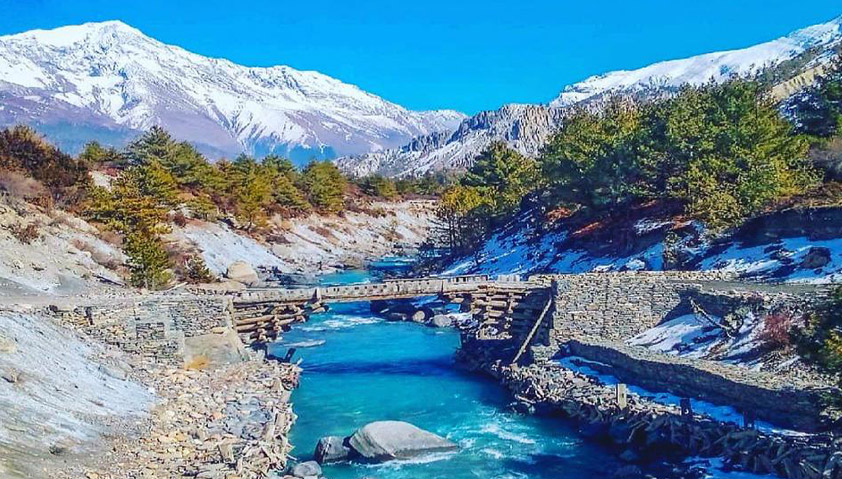
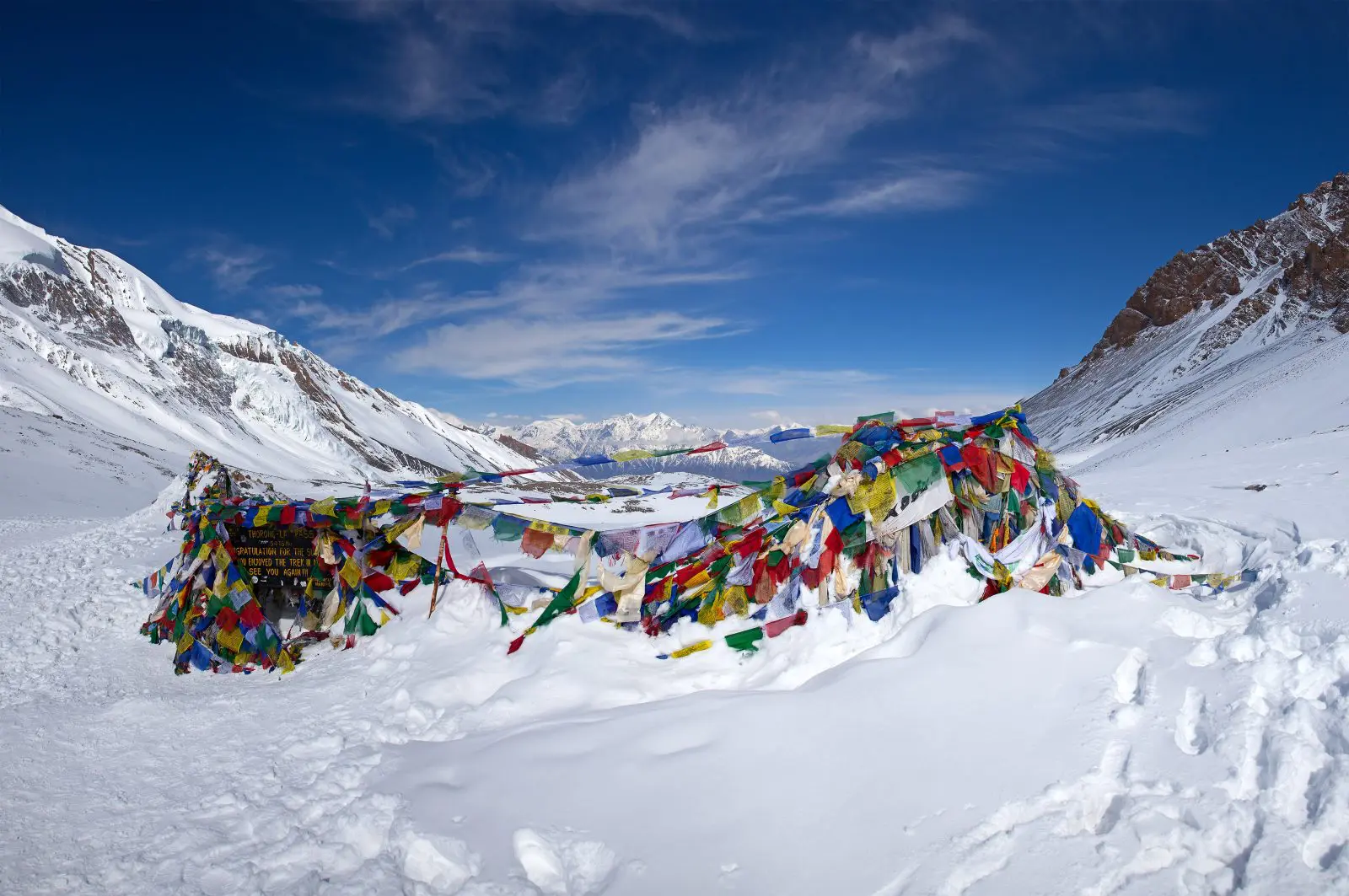
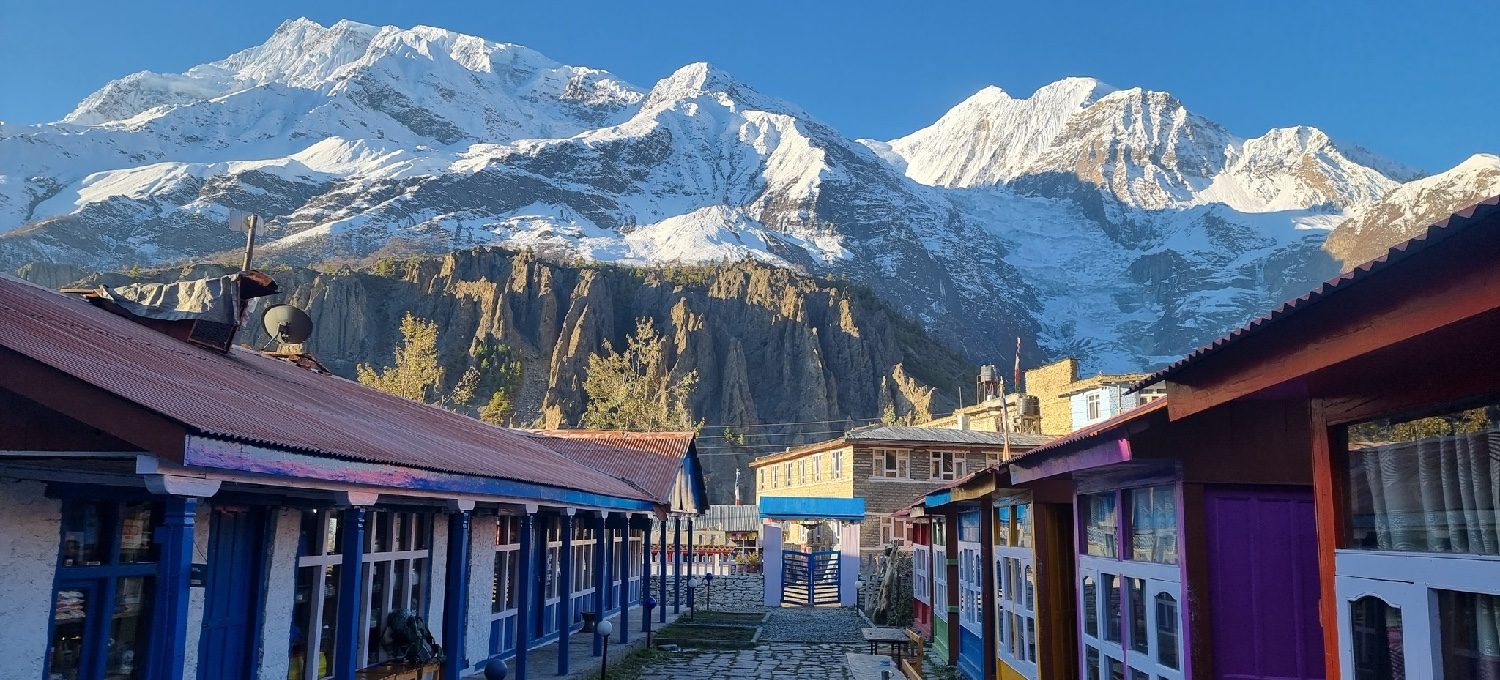
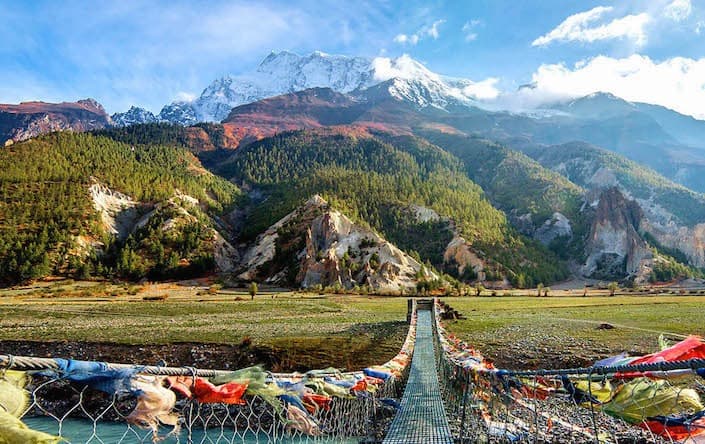
Food & Cuisine
Meals are served in tea houses along the route — warm breakfasts, dal bhat, noodles, rice, soups, and seasonal vegetables. Hot tea, coffee, and ginger-lemon drinks are staples at altitude. Consistent nutrition and hydration are key components of acclimatisation.
Accommodation
In Kathmandu and Pokhara you stay in comfortable hotels. On trek, you sleep in local tea houses in twin-share rooms. Facilities are simple but welcoming — warm dining rooms, blankets, and optional add-ons like hot showers or charging where available.
Culture & Communities
The circuit passes through Gurung, Thakali, and Tibetan-influenced communities. Muktinath is a sacred site for both Hindu and Buddhist traditions. The cultural arc of this trek is as significant as the physical one — a journey through living Himalayan heritage.
Nomads Field Operations
Nomads of Altitude manages your entire expedition end-to-end. Our approach is built on direct control, rigorous planning, and uncompromising safety standards in the field.
For the Annapurna Circuit, our expeditions are executed by our handpicked, elite team of experienced mountain leaders, certified guides, and support staff who carry out every detail with absolute professionalism.
This means your enquiry begins a structured conversation — not a transaction. We will discuss your background, assess your readiness, and confirm whether this trek is the right fit before any booking takes place.
Altitude Risk & Transparency
High-altitude trekking carries real risks. We present them clearly and without dramatisation — because informed participants make better decisions, and better decisions lead to safer outcomes.
Thorong La reaches 5,416m. Acute Mountain Sickness (AMS) can affect anyone regardless of fitness. The itinerary includes deliberate acclimatisation days in Manang and a progressive altitude build via Tilicho Lake. Guides monitor symptoms throughout. Descent remains the primary response to deterioration — not medication alone.
Spring and autumn are the most stable windows. Snow, wind, or poor visibility on the pass can alter the crossing schedule. Forecast monitoring is part of the approach. The buffer day in Pokhara exists precisely to absorb weather-related delays safely, without compromising the exit schedule.
The Thorong La crossing is a long, demanding day that begins before dawn. The ascent and descent combined can exceed 1,600m of vertical movement. Trail conditions after snowfall can add difficulty. Good physical preparation before departure is the most effective risk mitigation available to any participant.
Trek Flow
Day-by-Day Itinerary
Arrival at Tribhuvan International Airport. Meet your trekking team, receive a pre-trek briefing, and complete a gear check. Overnight in Kathmandu.
A long but scenic drive through river valleys and mountain terrain to Chame — the gateway to the upper Annapurna region. Altitude begins to build from this point.
A longer day through pine forests and riverside trails, passing traditional Himalayan villages and gradually gaining altitude toward Pisang.
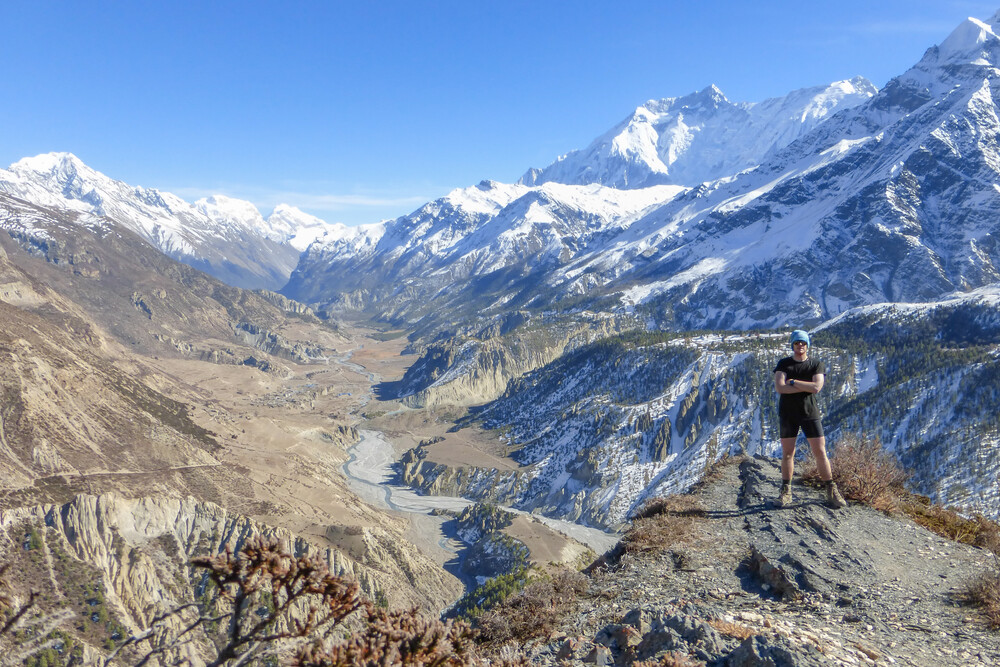
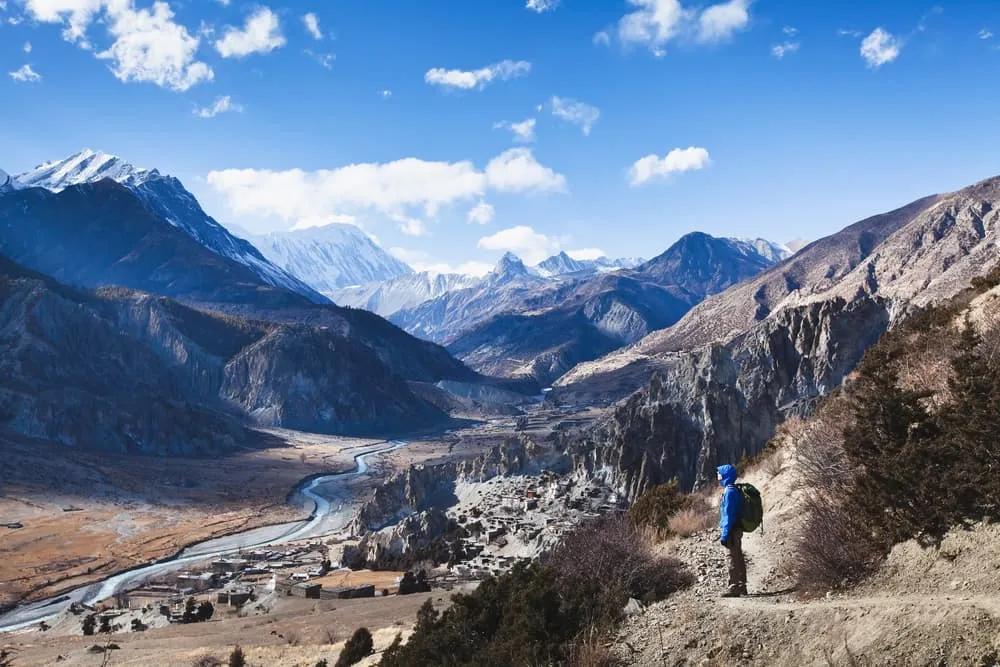
The terrain transitions to a more arid landscape as the valley opens. Views of Annapurna II, III, IV, and Gangapurna dominate the skyline. Manang is a well-equipped village with good facilities ahead of the acclimatisation day.
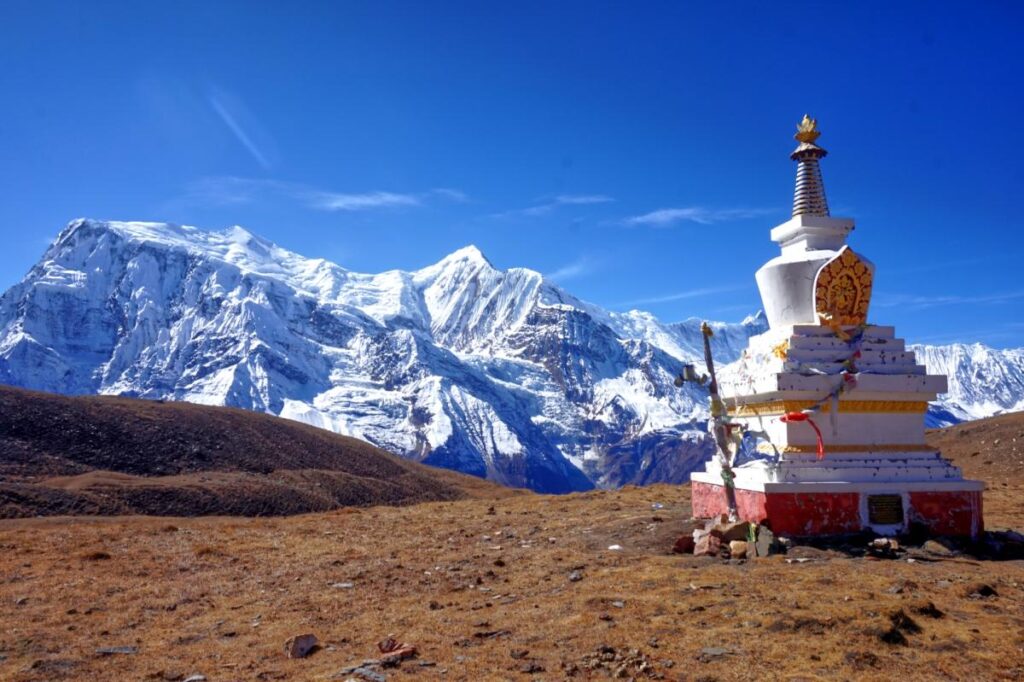
A dedicated acclimatisation day in Manang. Those with energy can attempt the 16km out-and-back hike to Ice Lake (Kicho Tal, 4,600m) — a meaningful altitude gain that directly supports the Thorong La crossing. A shorter village walk is equally valid.
The route leaves the main circuit for the Tilicho detour. Wide valleys and high mountain terrain lead to the isolated hamlet of Shree Kharkha.
Narrow and occasionally exposed cliffside trails lead to Tilicho Base Camp, positioned beneath the dramatic face of Tilicho Peak.
An early start for the climb to Tilicho Lake — one of the world's highest lakes, known for its striking turquoise colour. A genuine acclimatisation milestone before the pass. Return to Shree Kharkha for the night.
Rejoin the main Annapurna Circuit and follow alpine meadows and ridgelines toward the pass. The landscape narrows and altitude settles in as the crossing draws closer.
An intentionally short day to preserve energy for the crossing tomorrow. Early sleep is recommended — the Thorong La day begins well before dawn.
The defining day of the trek. A pre-dawn start and steady climb through cold, dark terrain leads to the pass. At Thorong La, the full range of the Himalaya opens in every direction. The long descent to Muktinath — a sacred site for both Hindu and Buddhist traditions — marks a complete transition of landscape, culture, and altitude.
Jeep transfer through the dramatic Kali Gandaki — one of the world's deepest gorges. Pokhara provides a welcome contrast: lakeside calm, warmth, and a genuine opportunity to rest after the crossing.
A flexible day built into the itinerary to absorb any weather-related delays from the pass crossing, and to allow genuine recovery before the return flight. The lakeside setting and mountain views make it a natural place to pause and reflect on the route.
A short scenic mountain flight back to Kathmandu, with aerial views of the Annapurna range. Celebration dinner and farewell ceremony in the evening.
Transfer to Tribhuvan International Airport for departure, according to individual flight schedules.
What's Included
✅ Included
- ✓Private transport for airport pick-up, drop-off, and Kathmandu city tour
- ✓All transportation costs within Nepal, including drives and domestic flight
- ✓3 nights Kathmandu (3★) + 1 night Pokhara (standard), B&B plan
- ✓Trekking guide (salary, food, insurance, transport, and equipment)
- ✓Porter support (1 porter for 2 clients; salary, food, insurance included)
- ✓3 meals per day (breakfast, lunch, dinner) + tea/coffee at breakfast during the trek
- ✓Tea house accommodation during the trek (twin sharing)
- ✓ACAP (Annapurna Conservation Area Permit)
- ✓TIMS card (if required under current policy)
- ✓All government taxes and official expenses
- ✓Celebration dinner in Kathmandu
❌ Not Included
- ✗International airfare
- ✗Nepal entry visa fee (USD 50 on arrival, valid 30 days) + passport photo
- ✗Lunch and dinner in Kathmandu and Pokhara (except celebration dinner)
- ✗Boiled water, beverages, and alcoholic drinks during the trek
- ✗Monument entrance fees during Kathmandu sightseeing
- ✗Extra nights in Pokhara or Kathmandu beyond the itinerary
- ✗Helicopter rescue services and emergency medical evacuation
- ✗Tips for field staff
- ✗Travel, medical, and emergency rescue insurance (mandatory)
- ✗Personal expenses — phone, laundry, hot showers, charging, Wi-Fi
- ✗Personal trekking gear (rental available in Kathmandu)
- ✗Any service not specifically listed in inclusions
Preparation Guide
This is a beginner-level trek — no prior experience or specialised training is required. What matters is arriving fit, consistent, and prepared to walk for sustained periods at altitude.
Training for 2–3 months before departure is sufficient for most people. Begin by walking uphill or taking stairs with a loaded daypack. The goal is to become comfortable carrying weight on your feet for extended periods — not to build speed or strength for technical terrain.
Building cardiovascular endurance is the most important foundation. Jogging, cycling, swimming, or sustained aerobic effort three to four times per week will prepare your body for the longer trekking days and the Thorong La crossing.
On the trail, pacing is more important than fitness. Walk steadily, breathe consistently, drink regularly, and communicate early if something feels wrong. Your guide is there to support these decisions throughout the trek.
A dedicated WhatsApp group can be arranged before departure for coordination, preparation guidance, and group communication ahead of the trek.
Ready to trek the Annapurna Circuit?
We begin with a structured conversation — not a transaction. Tell us about your background, and we'll help you assess whether this is the right route and the right time.