About us
Overview
Kilimanjaro (5,895m): Expedition to the Roof of Africa
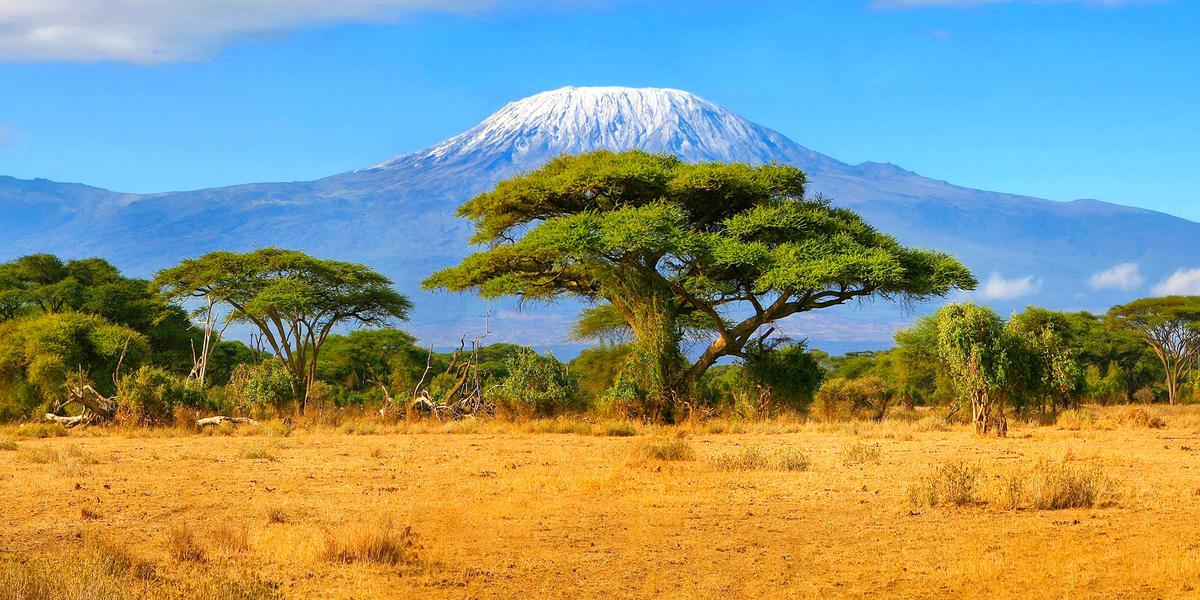
Embark on the journey of a lifetime as you ascend Africa's highest peak via the breathtaking Lemosho Route – a trail celebrated for its stunning landscapes, rich biodiversity, and high success rates. This is more than just a climb; it is an unforgettable expedition that immerses you in Kilimanjaro's raw beauty, from lush rainforests alive with exotic wildlife to the otherworldly, glacier-crowned summit.
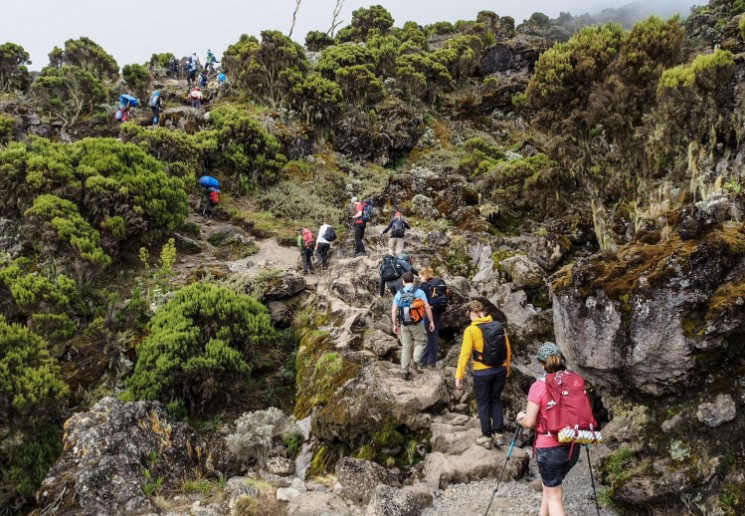
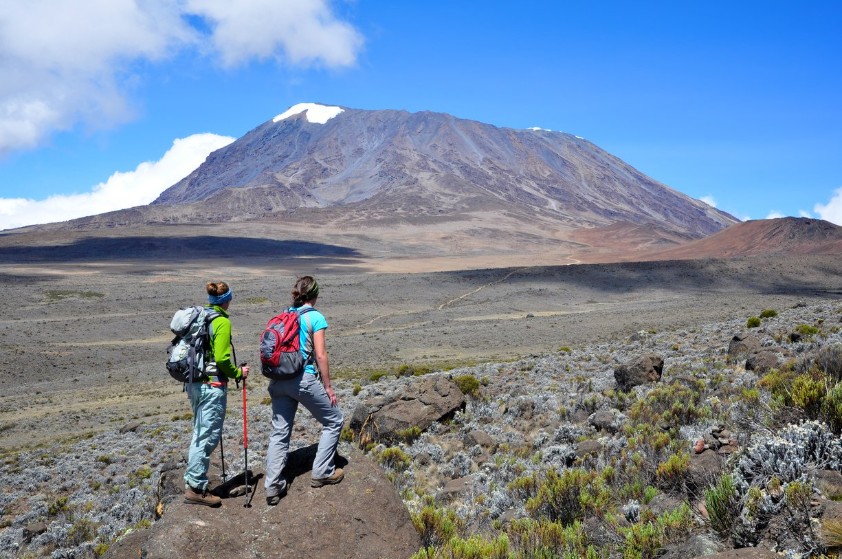
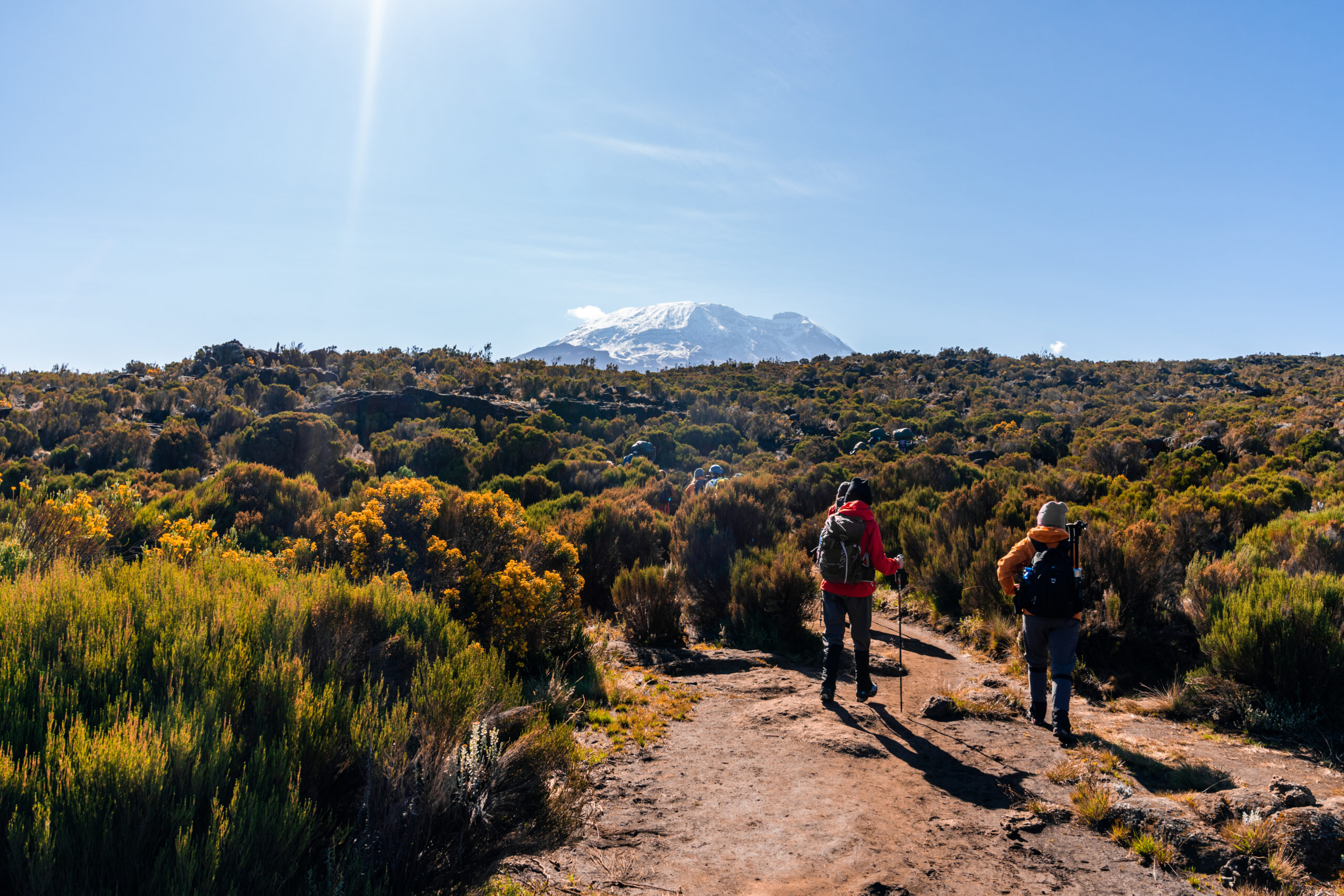
The Lemosho Route is designed for adventurers who crave both challenge and awe-inspiring scenery. Over several days, you will traverse six unique ecological zones, each revealing a different side of the mountain's grandeur. Trek through the misty Afromontane rainforest, where colobus monkeys swing through the trees, conquer the exhilarating Barranco Wall, and stand atop the Shira Plateau, where panoramic views stretch beyond imagination. With a gradual ascent and ample acclimatization time, this route offers an excellent balance of adventure and altitude adaptation – perfect for both experienced trekkers and ambitious first-timers.
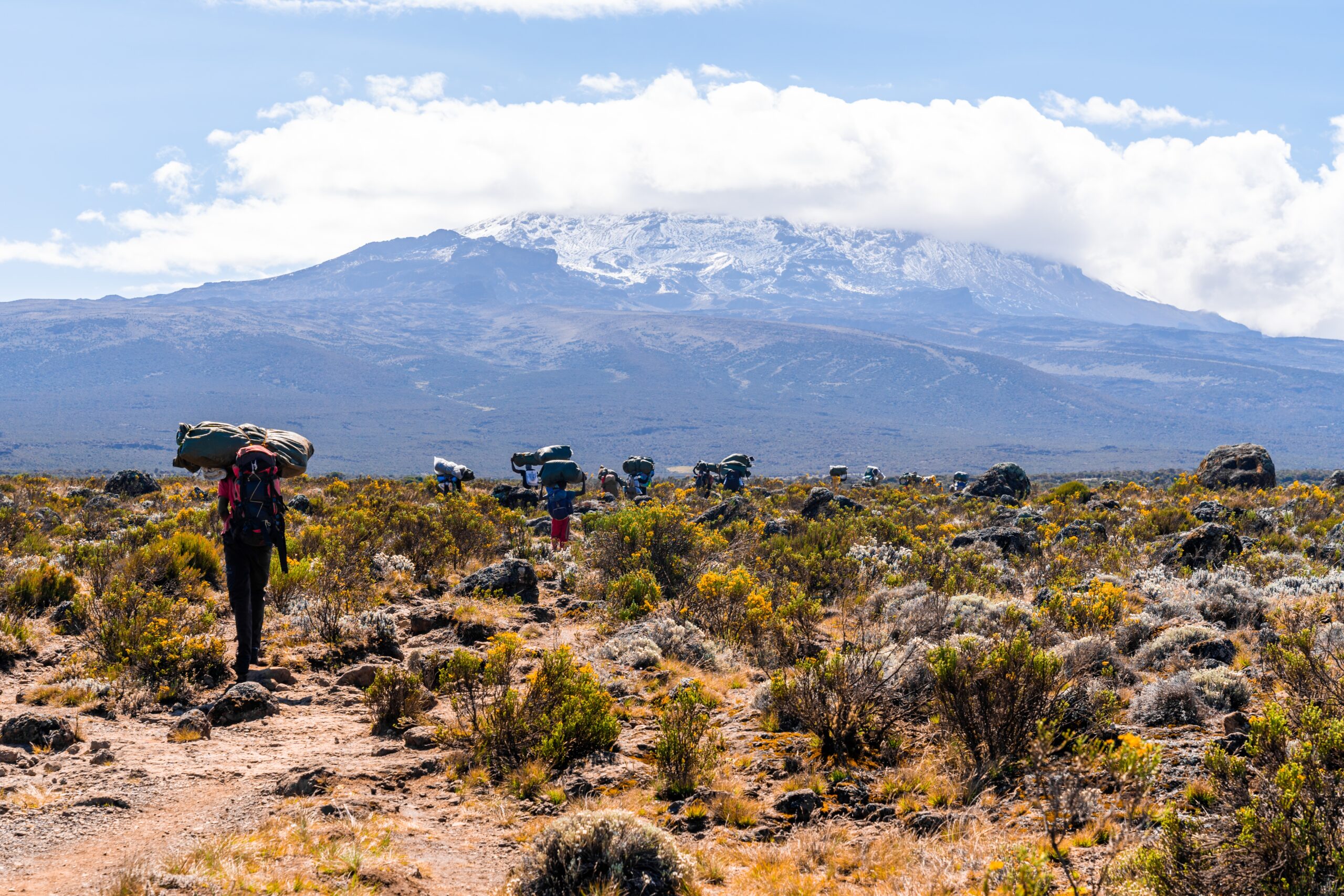
We go beyond the ordinary to craft an expedition that is as safe, rewarding, and seamless as possible. Our expert guides, deeply familiar with Kilimanjaro's terrain and weather patterns, are your key to a successful and enriching climb. Expect deluxe camping, gourmet meals prepared fresh at altitude, and a supportive team dedicated to your summit success. With a strong focus on sustainability and community engagement, every step you take also contributes to the preservation of this iconic peak and the local communities that call it home.
Your summit moment is just the beginning – this is a journey that will challenge, inspire, and transform you. Stand on the Roof of Africa, where the world stretches out before you, and your adventure story is written in the clouds.
Mountain Notes & Curious Facts
First recorded ascent: Mount Kilimanjaro was first successfully climbed in 1889. Since then, it has become one of the world’s most iconic high-altitude trekking objectives and one of the most sought-after non-technical summits on Earth.
Technical character: Kilimanjaro is considered a high-altitude trek, not a technical climb on the standard routes. That means no ropes, no glacier climbing, and no advanced alpine skills are usually required. However, the real challenge is altitude, summit-night fatigue, and the body’s response to low oxygen at nearly 5,900 meters.
Where it sits among famous peaks: Kilimanjaro stands far below the great 7,000m and 8,000m expedition peaks, but it is still an enormous mountain and one of the best-known high summits in the world. It is often chosen as a first serious altitude objective before moving toward more technical and higher mountains.
Gallery
Fresh at altitude
Cook · Porters
Private vehicle
Camping 8 nights
Moderate
9 Nights
Food & Cuisine
Meals are hearty and designed to fuel climbers — energy-rich soups, pasta, rice, fresh vegetables, fruits, chicken and eggs. Warm breakfasts with porridge, toast, tea and coffee start every day. Purified water and hot drinks keep you energized and acclimatized throughout.
Accommodation
Your expedition begins and ends at a comfortable hotel in Moshi with hot showers, swimming pool and Wi-Fi (2 nights). On the mountain, you sleep in durable deluxe tents set up at designated campsites by our porter team (8 nights). Sleeping bags and mats ensure warmth at altitude.
Fitness & Difficulty
No technical climbing skills required — but good endurance and mental determination are essential. The main challenge is altitude and the risk of AMS, which can affect anyone regardless of fitness. Regular cardio, strength training and practice hikes before departure will greatly improve your summit chances.
Daily Distances — Lemosho Route
Day-by-Day Itinerary
Your adventure begins the moment you land at Kilimanjaro International Airport (JRO), where our team will greet you. A comfortable transfer takes you to your hotel in Moshi — a charming town nestled at the base of the mountain. Relax with hot showers, a swimming pool, and Wi-Fi.
In the evening, meet our expert expedition team for a comprehensive briefing and gear check.
The adventure kicks off with a scenic drive to Lemosho Gate, where you complete registration and fuel up with lunch. The trek begins through lush rainforest, alive with colobus monkeys swinging through the canopy. After a few hours you arrive at Mti Mkubwa Camp — your first night under the stars.
Leaving the rainforest behind, you ascend through the moorland zone — tall grasses, heather and volcanic rock formations create a surreal landscape. Crossing streams and climbing the Shira Ridge, you are rewarded with your first breathtaking views of Kibo Peak.
The day's journey takes you across the vast Shira Plateau — one of the highest plateaux on Earth. A mix of gentle ascents and descents, perfect for acclimatization, treats you to expansive views of the mountain's glaciated peak. You arrive at Shira Camp 2, a picturesque campsite with open skies ideal for stargazing.
A key acclimatization day. You climb to the iconic Lava Tower (4,630m) — also known as the "Shark's Tooth." After lunch at this high point, you descend into the Barranco Valley, passing giant Senecio plants. Arriving at Barranco Camp, you are greeted by an unforgettable view of the Barranco Wall — tomorrow's challenge.
Gear up for an exciting scramble up the Barranco Wall — non-technical but thrilling, rewarding you with stunning views of Kilimanjaro's glaciers. From the top, the trail winds through valleys and ridges to Karanga Camp. In the afternoon, a short acclimatization hike prepares you for the summit push.
A steadily ascending ridge brings you to Barafu Camp — your last stop before the summit. After an early dinner, rest and recharge. The midnight alarm will come quickly.
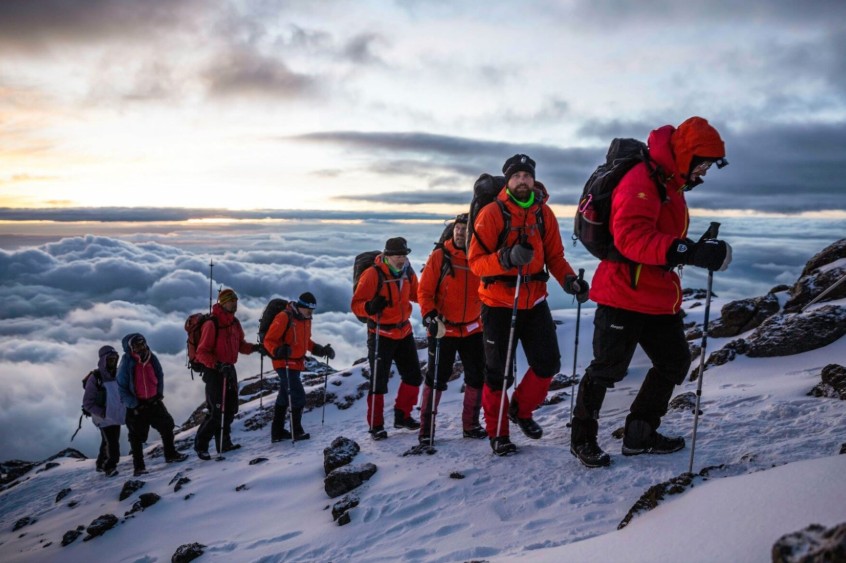
The moment you've been preparing for. You begin the final ascent in the dark, guided by headlamps and a sky full of stars. The steep climb takes you past Stella Point (5,739m) before reaching the highest point in Africa — Uhuru Peak (5,895m). Watch the sunrise spread across the continent.
After celebrating this extraordinary achievement, you descend to Barafu Camp for a rest, then continue down to Mweka Camp for a well-earned night's sleep.
Through lush rainforest, you descend to Mweka Gate — where your summit certificates await. A short drive returns you to Moshi, where a hot shower, celebratory meal and comfortable bed await.
After breakfast, it's time to say goodbye to Kilimanjaro. Transfer to Kilimanjaro International Airport for your flight home — or extend your adventure with a Tanzanian safari or a beach escape in Zanzibar.
What's Included
✅ Included
- ✓Airport transfers (pick-up & drop-off, Kilimanjaro International)
- ✓Hotel in Moshi with breakfast included (2 nights)
- ✓All National Park fees and entry permits
- ✓Full-board meals on the mountain — breakfast, lunch & dinner
- ✓Professional guides, cook and porters
- ✓Private transfers to/from Londorossi Gate
- ✓Oxygen cylinder for safety and emergency use
- ✓Daily health check-ups (pulse oximeter monitoring)
- ✓Emergency rescue fees within the mountain park
- ✓Senior team leader support throughout
- ✓Compulsory tips — USD 300 (≈ AUD 465) already included
❌ Not Included
- ✗International flights
- ✗Extra days beyond the planned itinerary
- ✗Tanzanian visa fees
- ✗Personal gear & equipment (can be hired in Moshi)
- ✗Lunches & dinners in Moshi (except farewell dinner)
- ✗Single room supplement for solo travellers
- ✗Personal expenses (laundry, souvenirs, beverages, snacks)
- ✗Travel & medical insurance (mandatory — arrange own)
Trip Information
Climate
Tanzania has a tropical climate that varies greatly with altitude. The dry season (June–October and January–February) offers the best trekking conditions. Kilimanjaro has its own climatic zones: rainforest (1,800–2,800m), dry mountain vegetation with sub-zero nights (2,800–4,000m), cold desert with strong equatorial sun (4,000–5,000m), and a glaciated summit with very cold evenings.
Time Difference to GMT
+3 hours
Language · Religion · Plugs
Swahili and English · Christian and Islam · 3-pin UK plug (bring an adapter — some lodges have 2-pin sockets)
Clothing Essentials
Down or very warm jacket · Waterproof jacket & trousers (Goretex recommended) · 2+ fleece jackets · Thermal base layers · Waterproof gloves + liner gloves · Warm hat + balaclava · Buff · Gaiters.
Summit Night: Recommended Layering
Torso: 6–7 layers from base to outer shell. Legs: 3 layers. Extremities: balaclava, scarf, double gloves, warm socks. Hand warmers strongly recommended.
Equipment
4-season sleeping bag (comfort -10°C) · Trekking poles · 2L water system · Head torch + spares · SPF50+ sunscreen · Personal first aid kit.
Luggage Limits
Main bag: 20kg max · Trek kitbag (porters carry): 15kg max · Daypack: 20L recommended.
Plastic Bag Ban
Plastic bags of any kind are illegal in Tanzania since June 2019. Heavy fines at immigration — do not bring them.
🧣 Head & Face
- Warm woollen cap & balaclava — essential against icy winds
- Bandana or Buff — for sweat, dust or cold protection
- Polarized sunglasses (Cat 4, UV 100%) — against sun and snow glare
🥾 Feet
- Multiple pairs of socks — lightweight for trekking, heavyweight wool for warmth
- Trekking boots — ankle-high, heavy sole, designed for rough terrain
- Camp shoes or sneakers — give your feet a break in the evenings
- Gaiters — waterproof & breathable, keeping snow and dirt out
🧤 Hands
- Liner gloves — lightweight for mobility and warmth
- Waterproof insulated gloves — protection against cold and wet
🧥 Clothing
- Thermal base layers — first line of defence against the chill
- Trekking pants (quick-dry, lightweight)
- Gore-Tex windproof jacket & pants
- Waterproof jacket or poncho
- Fleece jacket — lightweight warmth for layering
- 3–4 full-sleeve trekking shirts
- Heavy insulated jacket — essential for the summit push
🎒 Packs & Gear
- 20L daypack
- Duffel bag (provided by us) — carried by porters
- Trekking poles — for balance and knee relief
- Filter water bottle & thermos flask
- Sleeping bag — high-altitude rated
- Headlamp + extra batteries
💊 Health & Personal
- Personal hygiene kit — toothbrush, wet wipes, sanitizer
- Personal medical kit — altitude meds, pain relievers
- Sunscreen SPF 50+
- Towels, tissues & wet wipes
- Camera or GoPro
- Music player & headphones
- Books or playing cards
Visa & Passport
Single entry e-visa required (UK, AU, NZ, CA). American nationals need a multiple-entry e-visa. Apply via immigration.go.tz at least 15 working days before departure. Passport: 6 months validity + at least 1 blank page.
Travel Insurance
Mandatory. Must cover medical evacuation, emergency repatriation and altitude up to 5,895m. Helicopter evacuation cover is essential. Zanzibar visitors (from Sept 2024) must also purchase compulsory insurance through the Zanzibar Insurance Corporation (AUD 68 ≈ EUR 40/pp).
Altitude Sickness (AMS)
This trek reaches 5,895m. AMS can affect anyone regardless of fitness level. If symptoms appear, inform your guide immediately. Travellers with heart or lung conditions must consult their GP before booking.
Vaccinations
Recommended: malaria prophylaxis, hepatitis A, tetanus, typhoid, polio, yellow fever. Yellow fever certificate required if transiting through an endemic country.
Tips
✅ Compulsory tips are already included in your package — USD 300 (≈ AUD 465) covering the full crew. No additional tipping obligation.
Currency & Exchange
Local currency: Tanzanian Shilling. US Dollars preferred on the ground — only notes issued after 2006 accepted. Exchange at banks or Forex offices only. ATMs available in major towns. Credit cards generally not accepted.
Food & Drink Estimates (Moshi)
Dinner: ~AUD 25 (≈ EUR 15) · Beer: ~AUD 3 (≈ EUR 1.85) · Bottled water: ~AUD 1.35 (≈ EUR 0.80)
Optional Activities
Arusha National Park day trip: ~AUD 190–620 (≈ EUR 112–360) (min 2 persons) · Spa massage at Weru Weru Lodge: AUD 93–140 (≈ EUR 55–82) (60–90 min).
Equipment Hire (Moshi)
Trekking poles: AUD 23 (≈ EUR 14)/pair · 4-season sleeping bag: AUD 31 (≈ EUR 18) · Air mattress: AUD 15 (≈ EUR 9) — for full trek duration.
Drones
Not permitted without a permit (~AUD 390 ≈ EUR 227/24hrs). Drones without permits will be confiscated by Park officials.
A few useful words in Swahili — the primary language spoken in Tanzania — to help you connect with your crew on the mountain.
References
Ready to start your expedition?
A simple, structured path from first enquiry to summit. We take the guesswork out of adventure travel.
How It Works — Step by Step ↗